Expert New Orleans Electrician Emergency Helping Homeowners With Circuit Breaker Repairs In the Mid City Neighborhood
January 17, 2026
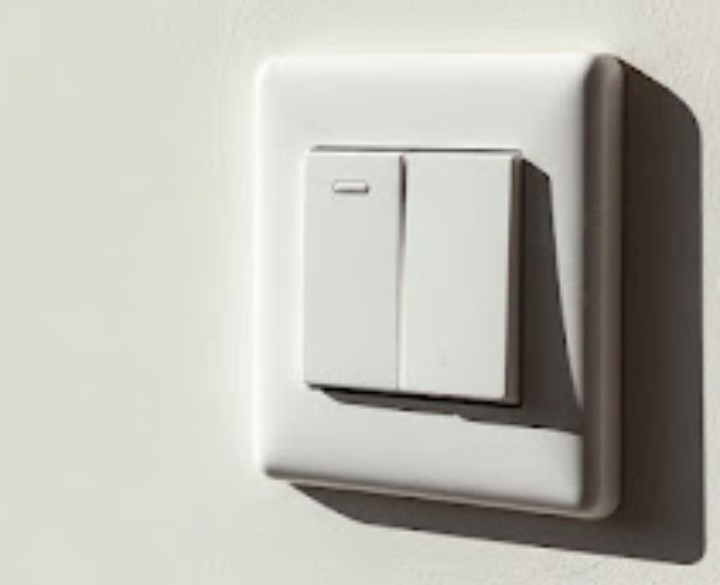
Expert New Orleans Electrician Providing Emergency Electrical Services And Helping Homeowners With Circuit Breaker Repairs In the Mid City Neighborhood.
A Complete Homeowner’s Guide to Safe and Reliable Power By MK Electric Man- A Licensed New Orleans Electrician.
Electrical problems can be frustrating, confusing, and even frightening for homeowners. When lights stop working, outlets suddenly lose power, or a circuit breaker trips repeatedly, it is rarely just a small inconvenience. These issues often point to deeper problems within the electrical system that require immediate professional attention.
MK Electric Man Providing Top Notch Emergency electrical repairs. In residential homes MK Electric Man not only helps homeowners restore power but also is committed to protecting lives, preventing fires, and ensuring the long-term reliability of a home’s wiring.
In this real-life scenario, a homeowner experienced multiple electrical failures at once. The garage lights would not turn on, and a kitchen GFCI outlet used for a coffee maker had stopped working. These problems were not random. They were symptoms of internal electrical faults that required a thorough inspection and precise repairs. Through careful troubleshooting, it was discovered that a faulty single-pole switch had shorted out, causing the circuit breaker to trip. Even after the switch was replaced, power did not return because the breaker itself had been damaged by repeated short-circuit stress. Additionally, the GFCI outlet had failed due to an electrical surge, requiring replacement and the installation of a surge protector in the breaker panel.
This article explains what happened, how each issue was fixed, and why these types of repairs are critical for home safety. We will also explore in detail the importance of circuit breaker replacement, light switch repair, GFCI outlet replacement, and surge protection, all in a clear and easy-to-understand way.
Why Electrical Problems Should Never Be Ignored
Many homeowners are tempted to ignore minor electrical problems, especially if they seem temporary. A flickering light or a dead outlet may appear harmless, but these signs often indicate underlying damage. Electrical systems are designed with safety mechanisms that react when something is wrong. When a breaker trips or an outlet shuts off, it is not malfunctioning, it is protecting your home.
Electrical faults can cause overheating, which can silently damage insulation behind walls. Over time, this can lead to sparks, arcing, and eventually fires. According to safety experts, a significant number of residential fires begin due to electrical system failures. This is why emergency electrical repairs are essential. They address not just the symptoms, but the root causes of the problem.
In this case, the homeowner noticed two major issues:
The garage lights were not working, and the GFCI outlet in the kitchen had failed. Both of these problems suggested a disruption in power delivery and internal component damage.
The Purpose of an Electrical Inspection
Before any repair can be performed safely, a full electrical inspection must take place. An inspection allows a technician to understand how power is flowing through the home, identify weak points, and locate any damaged components. This process involves checking switches, outlets, wiring paths, and the breaker panel.
During an inspection, tools are used to test voltage, continuity, and resistance. These tests reveal whether electricity is moving as it should or if it is being interrupted by a fault. Burn marks, melted insulation, loose connections, and corrosion are all signs that something is wrong.
In this situation, the inspection revealed that the light switch controlling the garage lights had shorted out. This short circuit forced the breaker to trip as a protective response.
Understanding How a Faulty Light Switch Can Disrupt Power
Light switches may look simple, but they play a crucial role in managing the flow of electricity. Every time you flip a switch, internal contacts open or close, allowing current to pass through. Over time, these contacts can wear out, loosen, or become damaged. When this happens, the switch can begin to arc internally, creating heat and unstable current flow.
A shorted switch allows electricity to travel along an unintended path. This causes a sudden spike in current, which the breaker detects as dangerous. The breaker then trips to stop the flow of power. While this protects the circuit, it also shuts down everything connected to it, including lights and outlets.
In this case, the faulty switch was the original source of the problem. It was no longer able to control the flow of electricity safely.
Light Switch Repair and Replacement
Replacing a faulty light switch is more than just restoring convenience; it is about eliminating a potential fire hazard. When a switch shorts out, it can overheat, melt insulation, and damage nearby wiring. This kind of damage often goes unnoticed until a breaker trips or a light stops working.
The repair process begins by shutting off power to the affected circuit. This prevents the risk of shock and ensures a safe working environment. The damaged switch is then removed, and the wiring behind it is carefully inspected. If any of the wires show signs of heat damage or looseness, they are corrected before the new switch is installed.
A new single-pole switch is then installed and securely connected. Once the power is restored, the switch is tested to ensure smooth operation. However, in this case, replacing the switch alone did not restore power. This indicated that the breaker itself had been damaged.
Why Circuit Breakers Fail
Circuit breakers are designed to protect, but they are not immune to damage. Each time a breaker trips, internal components move and absorb energy. Over time, repeated short circuits can weaken these components. If the breaker is exposed to intense surges or heat, its internal contacts can degrade.
When a breaker becomes damaged, it may trip too easily, fail to reset, or stop delivering power entirely. Some breakers may appear to be on but fail to send electricity down the circuit. This creates confusion for homeowners, as the problem is not always visible.
In this scenario, the shorted switch placed extreme stress on the breaker. Even after the switch was replaced, the breaker could no longer function properly. As a result, it had to be replaced.
The Light Switch Replacement Process
Step 1: Power Shutdown
The circuit is turned off to prevent shock.
Step 2: Removal of the Faulty Switch
The damaged switch is carefully disconnected.
Step 3: Inspection of Wiring
The wires are checked for heat damage.
Step 4: Installation of a New Switch
A properly rated single-pole switch is installed.
Step 5: Testing
The circuit is tested for stability.
Why the Lights Still Didn’t Work
Even after replacing the faulty switch, the lights did not turn on. This indicated that the problem extended beyond the switch itself. Further testing revealed that the breaker had failed due to repeated short-circuit stress.
Circuit Breaker Replacement:
A Critical Safety Measure
Circuit breakers are not indestructible. Although they are designed to trip during unsafe conditions, repeated exposure to short circuits can damage their internal mechanisms.
How Breakers Become Damaged
A breaker can fail due to:
Repeated short circuits
Electrical surges
Age-related wear
Heat exposure
Moisture
Corrosion
Once damaged, a breaker may not deliver consistent power—even if it appears to reset normally.
Signs a Circuit Breaker Needs Replacement
Breaker trips even without load
Breaker will not stay reset
Power remains unstable
Buzzing or crackling sounds
Burning odor
Physical discoloration
Ignoring these signs increases the risk of overheating and fire.
Article 3
Location: New Orleans, LA
Project Image Gallery
Get Safe, Efficient Electrical Solutions Contact Our Kenner Electricians in Jefferson Parish!