Expert Metairie Electrician Providing Quality EV Charger Installation
January 28, 2026
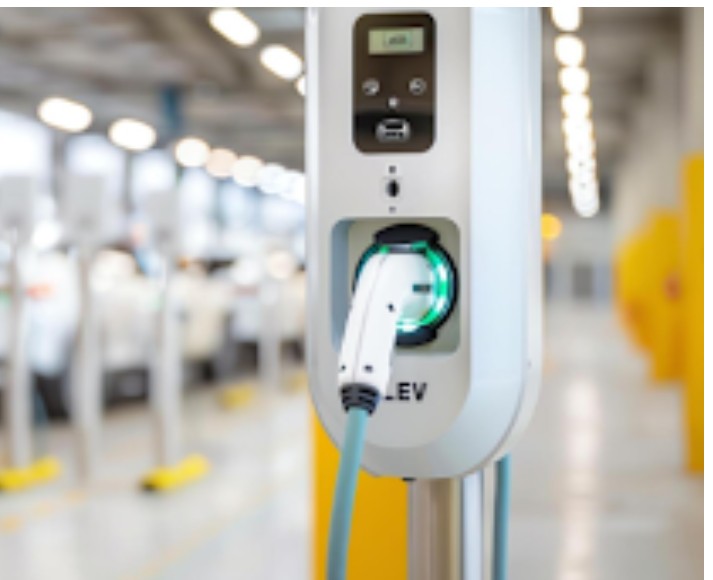
Expert Metairie Electrician Helping Homeowners with Circuit Panel Upgrades and EV Charger Installation in the Pontchartrain Gardens Neighborhood
As electric vehicles become more popular, many homeowners are discovering that their existing electrical systems are not always equipped to handle the added demand. While EVs offer convenience, energy efficiency, and environmental benefits, they also require a reliable and powerful electrical infrastructure. Installing an EV charger at home is not as simple as adding a new outlet; it often requires a panel upgrade, dedicated circuits, and proper load balancing.
In this real-life scenario, a homeowner in the Pontchartrain Gardens neighborhood recently purchased an electric vehicle and wanted the convenience of charging it at home. However, their existing electrical system did not have enough capacity to support a 60-amp charger circuit. To solve this problem safely and efficiently, the electrician upgraded the home’s circuit breaker panel and installed a 60-amp outlet specifically designed for EV charging.
This article explains why panel upgrades are often necessary for EV charger installations, how the process works, and what homeowners should know before adding high-powered equipment to their electrical system.
Why EV Chargers Require Special Electrical Consideration
Electric vehicles draw significantly more power than standard household appliances. Unlike a toaster or microwave, an EV charger may run for several hours at a time while delivering a continuous high current. This makes it one of the most demanding electrical loads in a home.
Some key characteristics of EV chargers include:
•High amperage requirements
•Continuous power draw
•Dedicated circuit needs
•Precise grounding and bonding
•Surge and overload protection
Because of these factors, most EV chargers cannot simply be plugged into an existing outlet. They require a properly sized circuit and, in many cases, an upgraded electrical panel.
Understanding the 60-Amp Requirement
In this case, the homeowner needed a 60-amp wire feed for their EV charger. This type of setup allows for faster charging and better long-term performance, especially for higher-capacity electric vehicles.
A 60-amp circuit is considered a high-load circuit, and it must be installed carefully to avoid overheating, voltage drops, or breaker failures. This type of circuit typically requires:
•Heavy-gauge wiring
•A dedicated breaker
•Proper grounding
•Adequate panel capacity
If the panel does not have enough available amperage, installing such a circuit would be unsafe.
Why the Existing Panel Was Not Sufficient
Many older homes were not designed with EV charging in mind. Their panels were built to support basic appliances, lighting, and HVAC systems, but not modern high-demand technology.
The homeowner’s existing panel did not have enough available power to safely add a 60-amp EV circuit. This meant that even if the outlet had been installed, the system could have become overloaded.
An overloaded electrical panel can cause:
•Frequent breaker trips
•Overheating wires
•Voltage instability
•Appliance damage
•Increased fire risk
This is why a panel upgrade was necessary before installing the EV charger.
What Is a Circuit Breaker Panel Upgrade?
A circuit breaker panel upgrade involves replacing or expanding the existing panel so that it can safely support additional electrical loads. This is a common solution for homeowners adding new high-powered appliances such as EV chargers, HVAC systems, or large kitchen equipment.
A panel upgrade improves the home’s electrical system by:
•Increasing total available amperage
•Adding space for new breakers
•Improving safety features
•Enhancing reliability
•Meeting modern electrical codes
This upgrade ensures that the system can handle current needs while remaining flexible for future additions.
The Panel Upgrade Process
Upgrading a panel is a complex process that requires careful planning and precise execution. It is not just about swapping out a box it involves restructuring the way electricity is distributed throughout the home.
The general process includes:
•Evaluating the home’s electrical load
•Selecting the correct panel size
•Shutting off power safely
•Removing the old panel
•Installing the new upgraded panel
•Transferring existing circuits
•Adding new dedicated circuits
•Testing all connections
Each step must be completed correctly to ensure safe and stable power distribution.
Installing the 60-Amp EV Outlet
Once the panel upgrade was complete, the electrician installed a dedicated 60-amp outlet for the EV charger. This outlet is specifically designed to handle continuous high current without overheating or failing.
A dedicated EV charging outlet provides several important benefits:
•Faster charging times
•Reduced stress on the electrical system
•Lower risk of overload
•Improved safety
•Long-term reliability
Because the outlet is on its own circuit, it does not interfere with other appliances in the home.
Why Dedicated Circuits Are Important for EV Chargers
A dedicated circuit means that the charger has its own breaker and wiring, separate from all other appliances. This prevents power-sharing, which can cause fluctuations and overheating.
Dedicated circuits help:
•Maintain stable voltage
•Prevent breaker trips
•Protect sensitive electronics
•Extend equipment lifespan
•Improve overall system efficiency
This is especially important for devices that run for long periods, like EV chargers.
Safety Considerations for EV Charger Installations
Safety is the top priority when installing any high-powered electrical equipment. EV chargers operate at high current levels and must be installed according to strict safety standards.
Important safety measures include:
•Proper grounding
•Correct wire sizing
•Secure breaker installation
•Surge protection
•Load balancing
Without these protections, the system could become dangerous over time.
How Panel Upgrades Improve Home Value
Upgrading an electrical panel is not just about meeting immediate needs it also adds long-term value to the home. Modern buyers are increasingly interested in properties that are EV-ready and capable of supporting modern technology.
A panel upgrade can:
•Increase resale value
•Attract eco-conscious buyers
•Reduce future upgrade costs
•Improve overall safety
•Support smart home devices
This makes it a smart investment for many homeowners.
Preventing Future Electrical Problems
After upgrading a panel and installing an EV charger, homeowners should take steps to keep their electrical system in top condition.
Helpful tips include:
•Scheduling regular inspections
•Avoiding overloaded circuits
•Monitoring breaker performance
•Installing surge protection
•Planning future upgrades early
•Proactive maintenance can prevent costly emergencies later.
Conclusion:
This project in the Pontchartrain Gardens neighborhood demonstrates the importance of proper electrical planning when adding new high-demand equipment like an EV charger. The homeowner’s existing panel did not have enough capacity to support a 60-amp circuit safely, making a panel upgrade necessary.
By upgrading the circuit breaker panel and installing a dedicated 60-amp outlet, the electrician ensured that the home could support the EV charger without risking overload, overheating, or system instability. The result was a safe, reliable, and future-ready electrical setup.
As more homeowners adopt electric vehicles, upgrades like these will become increasingly common. With the right planning and professional installation, EV charging at home can be both convenient and safe.
Location: Metairie, LA
Project Image Gallery

Get Safe, Efficient Electrical Solutions Contact Our Kenner Electricians in Jefferson Parish!